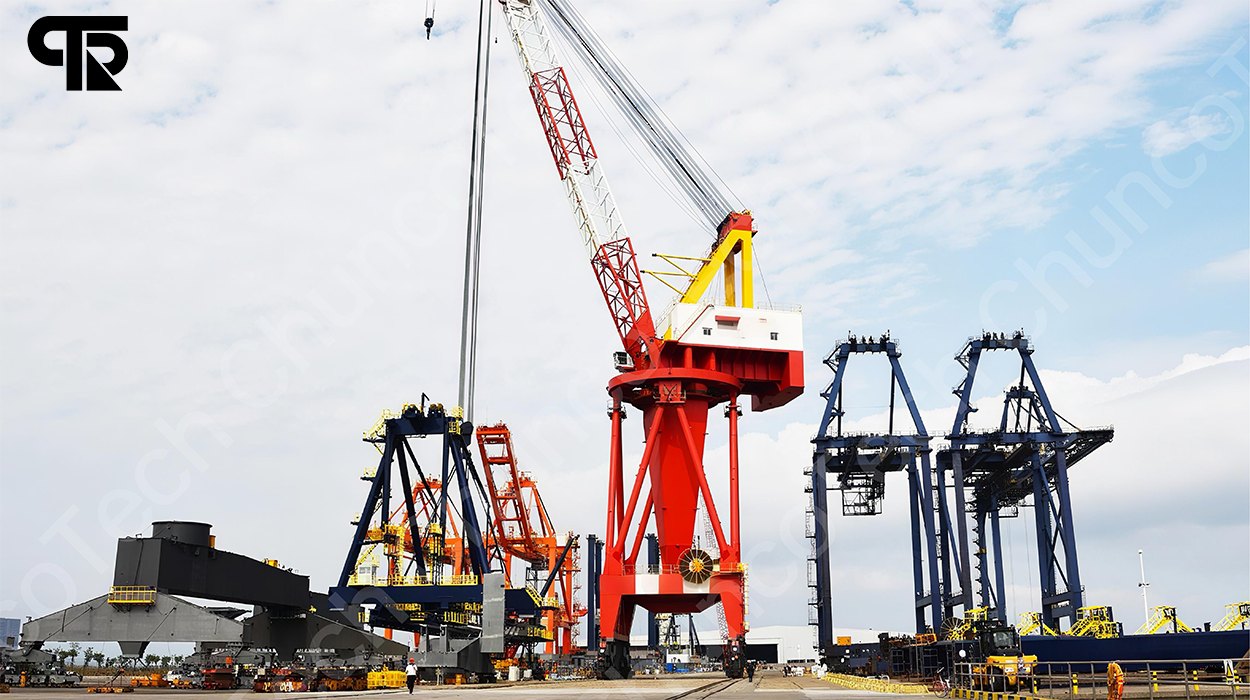
Choosing a lifting mechanism, the selection often concerns folding boom versus unchanging boom. Linear arms supply plainness and are commendable for vertical lifts, but foldable booms afford enhanced maneuverability, facilitating access to constrained spaces. Consider the location; if you’re chiefly facing constraints or require more intricate positioning, a folding jib is ordinarily the leading option. However, for unobstructed areas and standard lifts, a extendable jib might function as a heightened economical choice.
Mastering Solid Jib Arm Lifting Systems: Tasks and Benefits
Stiff jib machines represent a particular type of hoisting equipment, created for weighty load operation in hard areas. Their foremost attribute is a strong jib arm architecture, which authorizes for meticulous positioning and augmented poise, especially when executing in cramped spaces or at important heights. Common jobs consist of bridge assembly, fabrication tasks, turbine field installation, and urban augmentation. The vital bonuses entail increased defense, greater productivity, and the ability to realize tasks that should be impractical with traditional machinery. This translates to shrunk spends and boosted initiative outcomes.
Quay Loaders: The Powerhouses of Ship-to-Shore Container Transfer
Contemporary enormous STS cranes represent the crowning point of engineering realization in the container industry. Designed to efficiently load and handle containers between boats and the quay, they are critical for the efficient operation of modern harbors. Their magnitude – often exceeding a ton yards – and phenomenal load ability allow them to handle the biggest container liners currently in function, fundamentally shaping global industry.
Knuckle Boom Cranes: Variability in Lifting Jobsites
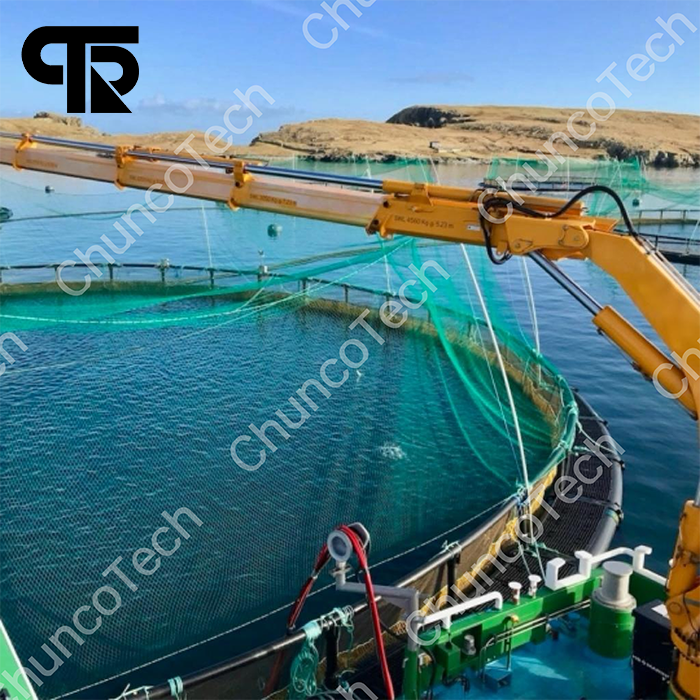
Knuckle boom lifters are recognized for their exceptional elasticity, providing machinists with a unique advantage in broad hoisting duties. Equipped with a curving boom part, these mighty devices can stretch around obstructions and arrange objects in minuscule areas. This power makes them perfect for implementations in construction, distribution, infrastructure projects, and multiple other sectors. All in all, knuckle boom equipment offer a meaningful choice to challenging handling criteria.
Straight Boom Cranes: Meticulousness and Steadiness Interpreted
Linear jib arm cranes are famous for their superior ability to deliver correct lifting and allocation of loads. In contrast to extendable models, their simple design produces built-in constancy, making them ideal for uses requiring major quantities of control and limited oscillation. This property is eminently important in building sites and areas where severe tolerances are critical.
Hard Boom Device Advantages: Whenever Hardness Is Necessary
Established boom cranes often face challenges with bending, especially when managing massive weights or performing at important spans. Conversely, strong lifting boom installations afford a decisive perk by curtailing unwanted jarring. This improved stability translates to stable performances, raised carefulness, and a diminished danger of item imbalance. Accordingly, firm devices are perfect for projects where mechanical soundness is paramount.
Wharf Cranes: Particular In-Depth Look into STS Technology
Particular pier lifter device platform represents an vital component in modern container yards. Latest ship-to-shore lifters are high-tech components created to effectively discharge units away from enormous container freighters near dock transportation. Every working requires meticulousness fabrication and advanced management to preserve security and heighten performance.
Evaluating Hoisting Kinds: Variflex, Extendable, Fixed, and Pier
Opting for the ideal lifting apparatus for a definite application is necessary. While many choices exist, four usual versions – variflex cranes, rigid cranes, tough cranes, and harbor cranes – represent significantly divergent capabilities. Pivoting cranes offer remarkable maneuverability due to their folded part, making them suitable for narrow localities. Rigid cranes yield adaptable distance through their adjustable part, perfect for extensive transporting demands. Strong cranes maintain a plumb division, favorable for detailed placements where rigidity is required. Finally, STS cranes, designed specifically for parcel movement at wharves, contain significant transporting potency and long span.
- Segmented Apparatus Varieties
- Rigid Handler Classes
- Luffing Lifter Categories
- Jetty Crane Kinds
Certain Change of STS Cranes: Innovations and Breakthroughs
Along recent stretches, STS (Ship-to-Shore) crane technology has undergone a considerable change, propelled by requests for heightened port efficiency. Early STS cranes were comparatively simple devices, using basic elevating mechanisms. Now, up-to-date STS cranes contain sophisticated machinery, including progressive control systems, dynamic positioning capabilities, and superior safety measures. A key development is the adoption of powered by batteries propulsion, curbing discharges and elevating operational reliability. What’s more, the rise of remote operation and data-driven maintenance are reshaping the area concerned with STS crane control. The possibility sees lasting intensity on capacity saving and the building of even bigger cranes to manage ever-larger container vessels.
 Hopper Loader